Traumatic Brain Injury (TBI) Group Homes & Support Services in Maryland
Loving Care and Support for Individuals with TBI

TBI Services in Maryland: Support for Every Stage of Life
Bello Machre provides children & teens, adults, and seniors with traumatic brain injury (TBI) with access to compassionate support, specialized programs, and essential services needed for lifelong care. We focus not on the individual’s diagnosis, but on their goals and dreams. Every person living with TBI is different, and our customized services are designed to align with individual strengths, challenges, and goals. Whether the path forward includes relearning skills, pursuing a career, achieving greater independence, or living in a residential group home, Bello Machre offers support every step of the way.
Group Homes for People with Traumatic Brain Injury
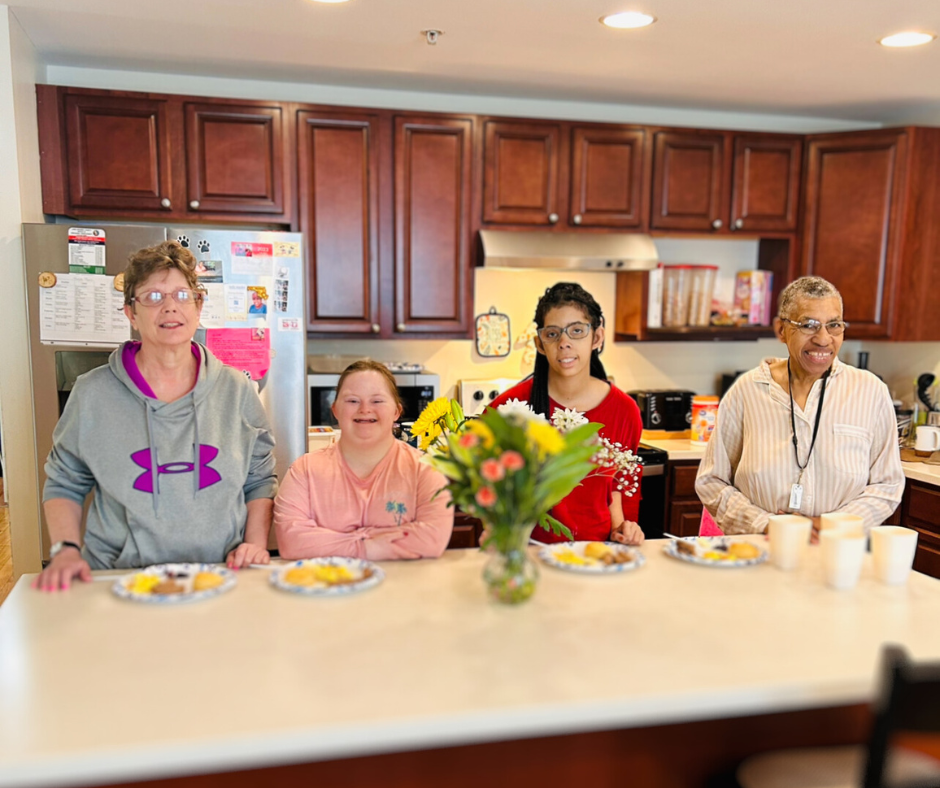
Bello Machre’s Residential Services create safe, welcoming group homes for adults with TBI and other intellectual and developmental disabilities, ages 21 and older. Residents live in small households of three to four people, enjoying a sense of community while receiving live-in caregiver support. Our internal Nursing Department provides added support to ensure consistent, person-centered care.
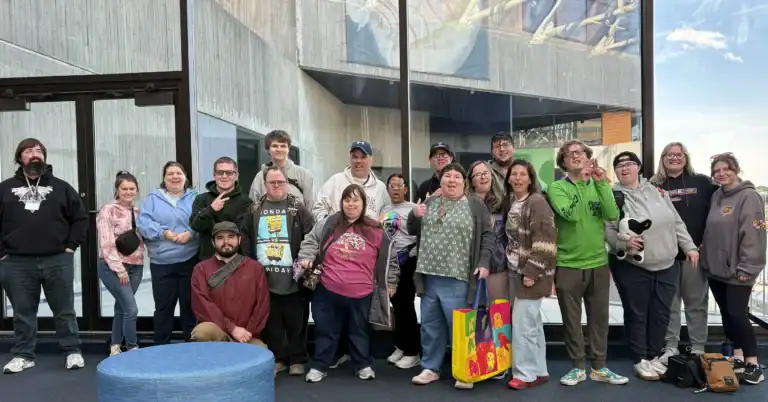
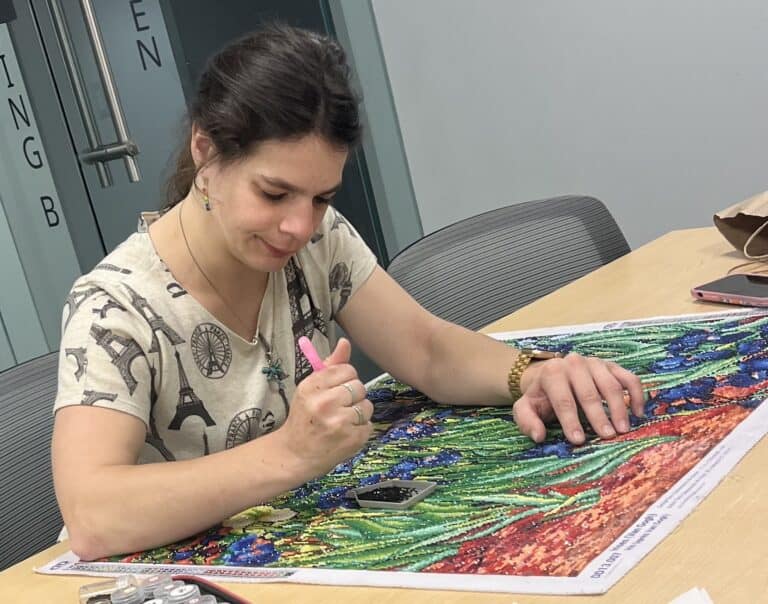
Every home emphasizes independence, fun, and meaningful engagement. Residents share meals, pursue hobbies, and participate in community activities, while DSP caregivers provide guidance and encouragement. Families can trust that their loved ones are thriving in a home built on community, connection, and personal growth.

Community Development Services
Our community-based day programs offer adults with traumatic brain injury and other disabilities the opportunity to grow, socialize, and explore the community in safe, structured group activities. Each day includes recreational, educational, and social activities tailored to participants’ strengths and interests.
With a 1:4 staff-to-individual ratio and transportation provided, CDS fosters independence while building confidence, friendships, and life skills. More than just a day program, CDS helps participants connect with their community and take meaningful steps toward greater autonomy.
Employment Services
Our Employment Services guide adults with intellectual and developmental disabilities in finding fulfilling jobs that match their interests. Through personalized coaching, hands-on training, and ongoing support, participants develop skills and confidence to succeed in the workforce.
Transportation support is provided through local transit options, and staff teaches strategies for independent travel. From first interviews to long-term careers, our team supports every step of the journey, helping individuals build pride, purpose, and independence.

Bello Machre’s Commitment to Compassionate Care and Support
Everyone deserves access to the services and support necessary to lead a fulfilling, independent, and vibrant life. Through programs such as Ray of Hope, Bello Machre assists individuals with TBI in bridging gaps in care plan funding, covering essential needs such as therapy, adaptive equipment, recreational activities, and community engagement opportunities. We are committed to ensuring that your loved one has access to the TBI resources they need to thrive.
Bello Machre is Here to Help
Contact Bello Machre to learn more about how we serve individuals with TBI.
FAQS About Our Services for Individuals with TBI
understanding services for adults with TBI In Maryland
residential Homes and community Development Services
employment support
Getting Started With Services
Our Impact on the Lives of People Living with Traumatic Brain Injury
-
Fun Activities for Adults with Developmental Disabilities
If you’re looking for activities to enjoy with your loved one or programs they can participate in, this blog highlights ideas to explore.
-
A Guide to Self-Directed Care in Maryland
Self-directed care services can provide greater autonomy and flexibility for adults with intellectual and developmental disabilities.
-
Aging parents of adults with disabilities
Parents often play a pivotal role in the care of adult children with disabilities. But as parents age, they can become the ones who need care. Here’s what to consider.